Quick Answer
Squirrels, raccoons, and other wildlife get into Richmond-area attics through gaps in rooflines, vents, and soffits, usually looking for a warm, dry place to nest. In most Virginia leases, the landlord is responsible for excluding and removing wildlife and repairing the entry point, since this falls under the general duty to maintain a habitable, structurally sound property, while a tenant is responsible for reporting the problem promptly and avoiding actions that attract wildlife, such as leaving pet food outside or trash unsecured. Removal almost always requires professional exclusion work rather than DIY trapping, and species like bats carry additional legal timing restrictions in Virginia that property owners need to plan around.
Why Attics Attract Wildlife in Central Virginia
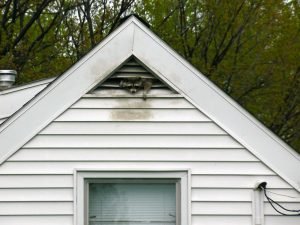
Richmond’s mix of mature tree cover, older housing stock, and wooded suburban lots in Henrico, Chesterfield, and Hanover creates ideal conditions for attic wildlife. Squirrels and raccoons are both excellent climbers and are drawn to the warmth and shelter an attic provides, especially heading into fall and winter when they are actively seeking den sites. Common entry points include:
- Gaps where rooflines meet, particularly at hip and valley junctions
- Damaged or missing soffit and fascia boards
- Uncapped or loose chimney flues
- Gable and ridge vents without proper screening
- Gaps around utility lines entering the structure
Once one entry point is established, it is common for the same access point to be reused across seasons, or for the damage from one animal’s entry to widen the gap enough for others to follow.
Common Attic Wildlife in the Richmond Area
| Animal | Common Signs | Typical Risk |
|---|---|---|
| Gray squirrels | Scratching and running sounds, especially at dawn and dusk; chewed wiring or wood | Fire risk from chewed wiring, insulation damage |
| Raccoons | Heavy thumping or walking sounds at night; torn insulation; strong odor | Property damage, disease exposure, aggressive if cornered |
| Bats | Small droppings near entry points, scratching in walls, bats seen at dusk | Rabies exposure risk, protected species timing restrictions |
| Mice and rats | Droppings, gnaw marks, nesting material, odor | Disease exposure, wiring and insulation damage |
| Birds | Nesting material in vents, chirping sounds, blocked exhaust vents | Vent blockages, fire hazard in dryer and bathroom vents |
Who Is Responsible: Landlord or Tenant
Virginia’s implied warranty of habitability, covered in detail in our guide to what Richmond renters are entitled to, generally places responsibility for structural integrity and pest exclusion on the landlord. A squirrel or raccoon getting into an attic through a structural gap is treated the same way as a roof leak or failing HVAC system: it is a maintenance issue the landlord must address in a reasonable timeframe once reported.
That said, tenant behavior can shift some responsibility. If a tenant leaves pet food outdoors, overflows a trash can regularly, or otherwise actively attracts wildlife to the property, a landlord may reasonably expect the tenant to correct that behavior, and repeated violations could become a lease compliance issue. Our broader article on pest control in Richmond rentals covers this landlord-tenant division of responsibility in more detail for pest issues generally, and the same logic largely extends to nuisance wildlife.
Tenants should report suspected wildlife activity as soon as they notice it. Delaying a report, especially with raccoons or squirrels that can give birth in an attic, often turns a simple exclusion job into a more expensive, more involved removal.
Why DIY Trapping Is a Bad Idea
It can be tempting for a landlord or handy tenant to buy a trap from a hardware store and handle wildlife removal without a professional. This usually backfires for a few reasons. First, trapping an adult animal without finding and removing any young left behind can result in distressed young animals dying in the attic, creating an odor problem far worse than the original issue. Second, relocating wildlife in Virginia is tightly regulated, and in many cases animals legally must be released on the same property or euthanized rather than moved elsewhere, which surprises most first-time trappers. Third, raccoons in particular can be aggressive when cornered and carry real disease risk, including rabies exposure.
The Virginia Department of Wildlife Resources maintains guidance on resolving human-wildlife conflicts, including how to find a qualified nuisance wildlife control operator, at dwr.virginia.gov. A licensed operator understands the legal requirements, uses humane and effective exclusion methods, and can identify and seal the entry point so the problem does not simply recur with the next animal looking for shelter.
Bats Require Special Timing
Bats deserve a specific mention because Virginia’s wildlife rules around them are stricter than for squirrels or raccoons. Several bat species that roost in homes are in serious decline, and full exclusion work, meaning permanently sealing an entry point, is generally restricted during the maternity season, roughly early May through mid-August depending on the year and region, since flightless pups left behind when the mother is excluded will not survive. Outside that window, in early spring or late summer after pups have fledged, exclusion can proceed safely and legally. Anyone dealing with suspected bat activity in a Richmond-area rental should contact a professional familiar with these timing rules rather than attempting to seal an attic during the restricted period.
Repairing the Damage
Once wildlife has been excluded, the real maintenance work often begins. Common repairs after an attic wildlife problem include:
- Replacing compressed, soiled, or torn insulation, which loses much of its effectiveness once an animal has nested in it
- Inspecting and repairing any chewed electrical wiring, which is a genuine fire hazard
- Sealing and reinforcing the original entry point with material the animal cannot simply re-chew through
- Cleaning and sanitizing areas affected by droppings or urine, particularly important with bat guano and raccoon latrines
- Checking vents, soffits, and rooflines for any secondary entry points that may have gone unnoticed
This is a good opportunity to also check attic ventilation and insulation levels generally, since many Richmond-area homes benefit from an upgrade in both areas regardless of the wildlife issue that prompted the inspection.
Preventing a Repeat Problem
- Trim tree branches back from the roofline, since overhanging limbs are a common bridge for squirrels and raccoons.
- Install chimney caps and properly screened vents to block common entry points.
- Inspect soffits and fascia boards annually, particularly on older homes throughout Richmond, Henrico, and Chesterfield.
- Secure trash cans and avoid leaving pet food outside overnight.
- Address any attic wildlife report quickly, since a small gap left unaddressed over winter often becomes a much larger repair by spring.
Seasonal Patterns Richmond Owners Should Expect
Attic wildlife activity in Central Virginia follows a fairly predictable seasonal rhythm. Fall is peak season for squirrels seeking a warm den for winter, which is why October and November tend to bring a noticeable increase in attic noise complaints across Richmond, Henrico, and Chesterfield. Raccoons often seek denning sites in late winter and early spring ahead of giving birth, while bats are most active, and most legally protected from exclusion, through the late spring and summer maternity season described above.
Property owners managing multiple units can use this pattern to their advantage by scheduling a basic exterior inspection, checking rooflines, vents, and soffits, in late summer before the fall squirrel season ramps up. Catching and sealing a small gap in September is considerably cheaper than discovering a full nest, and the associated insulation and wiring damage, in January.
Frequently Asked Questions
Can a tenant handle wildlife removal themselves and deduct the cost from rent?
Generally not without following Virginia’s specific repair-and-deduct procedures, which have strict notice requirements. Tenants should report the issue in writing and allow the landlord a reasonable opportunity to respond before considering other remedies.
How much does professional wildlife exclusion typically cost?
Costs vary widely depending on the animal, the extent of damage, and whether insulation replacement is needed, so it is best to get a specific quote from a licensed nuisance wildlife control operator for the property in question.
Is wildlife damage covered by landlord insurance?
Coverage varies significantly by policy and by the specific damage involved. Some policies exclude wildlife or pest damage entirely, so landlords should review their specific policy language or ask their agent directly.
What should a tenant do if they hear noises in the attic at night?
Document when the noises occur and notify the landlord or property manager in writing as soon as possible, since early reporting generally leads to a simpler, less expensive resolution.
Are raccoons dangerous to have in an attic?
Yes, beyond the property damage, raccoons can carry rabies and other diseases and can become aggressive if they feel trapped, so professional removal rather than DIY handling is strongly recommended.
Can wildlife get back in after an exclusion is completed?
If the entry point is properly sealed and reinforced, re-entry at that specific spot is unlikely, though a property with multiple vulnerable areas can still see new activity at a different point if those areas are not also addressed.
Talk to Mission Realty
Attic wildlife is one of those maintenance issues that is far cheaper to prevent than to repair after the fact. Mission Realty Property Management coordinates licensed pest and wildlife professionals for the owners and residents we work with across Richmond, Henrico, Chesterfield, and the surrounding counties, so problems get addressed quickly and correctly the first time. If you are a renter dealing with a possible wildlife issue, visit our residents page for how to submit a maintenance request, or if you own rental property and want proactive maintenance oversight, learn more about our property management services or contact our team today.