Quick Answer
Richmond renters without a yard can still grow their own food through the City of Richmond’s Parks and Recreation Community Gardens program, which turns underused city parcels into shared plots, along with longstanding local organizations like Tricycle Gardens that have supported community growing spaces and food access programs across the city for years. Most programs involve a modest seasonal fee, a plot assignment, and an expectation that gardeners maintain their space and participate in basic shared upkeep.
Why Community Gardens Matter for Renters Specifically
One of the quiet downsides of renting, especially in denser parts of Richmond like the Fan, Church Hill, or Jackson Ward, is losing access to outdoor growing space that comes standard with homeownership in the suburbs. A community garden plot solves this directly: it gives a renter a real patch of soil to grow vegetables, herbs, or flowers without needing a yard, an HOA exemption, or a landlord’s permission to dig up a rental’s landscaping. For renters who move every year or two, a garden plot is also simply lower-commitment than trying to build out a permanent garden bed on a property you do not own and might leave before harvest season.
How Richmond’s Community Garden System Works
The City of Richmond’s Department of Parks, Recreation and Community Facilities runs a community garden program that converts vacant or underused city-owned parcels into managed garden spaces available to residents. These sites are typically organized into individual plots that a resident can apply for and maintain for a growing season, with the city or a partner organization handling the underlying land use and basic site infrastructure, like fencing, water access, and pathways between beds. Because available garden sites and plot openings change from year to year as new locations come online and existing gardens fill up, the most reliable first step for a renter interested in a plot is checking the current list of active garden sites and application windows directly with the city’s parks and recreation department rather than relying on older information that may be out of date.
Beyond the city-run program, Richmond has a long history of nonprofit-supported community gardening through organizations like Tricycle Gardens, which has worked for years to support garden plots, food access programs, and urban agriculture education across the city, often in partnership with specific neighborhoods, schools, or community centers. These nonprofit-affiliated gardens sometimes have slightly different application processes and philosophies than the purely city-run sites, with more of an emphasis on food access and community education alongside individual plot gardening.
What to Expect When You Apply for a Plot
- A modest seasonal or annual fee, which typically covers water access and basic site maintenance rather than representing a significant cost barrier.
- A plot size assignment, usually a raised bed or a marked ground plot sized for one household’s realistic growing capacity rather than a full farm-sized parcel.
- An expectation of active participation, meaning an unused or neglected plot can be reassigned to someone on a waitlist, so this is a genuine commitment rather than a one-time sign-up.
- Some shared responsibilities, such as communal pathway maintenance, shared tool storage upkeep, or periodic volunteer workdays, depending on how the specific garden is organized.
- A waitlist at popular sites, particularly gardens located in dense, walkable neighborhoods where demand for plots regularly exceeds the available space.
Choosing a Garden Site Based on Where You Rent
Garden sites are spread across different parts of the city, so proximity to your actual rental matters for how realistic regular upkeep will be. A garden plot a short walk from your home is one you will actually visit several times a week during growing season; one requiring a long drive is far more likely to go neglected by midsummer, no matter how good your intentions were in April. When comparing sites, it is worth weighing walking or biking distance just as heavily as plot size or cost, since consistency, not plot size, is what actually produces a good harvest.
What You Can Realistically Grow in a Richmond Community Garden Plot
Central Virginia’s growing season runs roughly from the last spring frost, typically mid-April, through the first fall frost, usually in late October, which supports a wide range of vegetables in a typical community garden bed. Tomatoes, peppers, squash, and beans are reliable summer staples that perform well in the region’s hot, humid summers, while cool-season crops like lettuce, spinach, kale, and root vegetables can extend a renter’s growing calendar into early spring and late fall. A first-time community gardener is usually better off starting with a smaller, well-tended selection of two or three crops rather than attempting to fill an entire plot in the first season, since an overcommitted first-year plot is one of the more common reasons new gardeners lose motivation partway through summer.
Beyond Individual Plots: Backyard Gardening for Renters With Some Outdoor Space
Not every renter needs a community garden plot; some Richmond-area rentals, particularly single-family homes in Henrico and Chesterfield, do come with enough yard space for a renter to ask their landlord about a small personal garden bed. If this applies to you, get any agreement about digging up part of the yard in writing before you start, including what happens to the garden bed at move-out, since a landlord who is fine with a garden in principle may still expect the yard restored to its original condition when your lease ends.
What to Bring on Your First Day
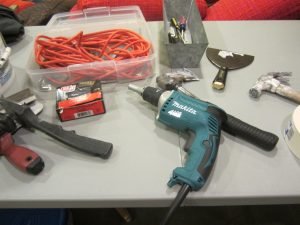
Most community garden sites provide the underlying infrastructure, fencing, a shared water spigot, and sometimes a communal tool shed, but gardeners are typically responsible for their own hand tools and supplies. A basic starter kit worth having before your first visit includes a trowel and hand fork, a pair of gardening gloves, a watering can if the shared spigot is some distance from your specific plot, seed starter trays or seedlings from a local nursery, and a basic soil amendment like compost, since many shared plots have been gardened for years and benefit from a fresh nutrient boost each season. Renters who are new to gardening entirely should not feel they need to buy everything at once; many community garden sites have experienced gardeners nearby who are happy to share tools, advice, and sometimes extra seedlings with a new neighbor in the next plot over.
Composting as a Renter
A number of Richmond’s community gardens maintain a shared composting system, which solves a real problem for renters who want to compost kitchen scraps but have nowhere to do it at their own rental. Contributing to a shared compost pile, and in turn using finished compost in your own plot, is one of the more practical sustainability habits a renter without yard space can realistically maintain. If a specific garden site does not have a shared composting system, ask whether one is being considered, since many gardens have added this feature over time as demand from gardeners increased.
The Community Side of Community Gardens
Beyond the practical growing space, a community garden plot tends to come with exactly what the name suggests: community. Richmond’s gardens are often genuinely social spaces where neighbors who might otherwise never meet end up trading tomatoes, troubleshooting a pest problem together, or coordinating a seasonal cleanup day. For renters who move to Richmond without an existing social network, especially those relocating from out of state, a community garden plot can be a surprisingly effective, low-pressure way to meet people with a shared interest, something that can be harder to find through a typical apartment lease alone. Several gardens also host seasonal workdays, plant swaps, or educational events open to the wider neighborhood, not just plot holders, which are worth attending even before you commit to a plot of your own, since they offer a low-commitment way to see whether a specific garden’s culture and location are a good fit for you.
Frequently Asked Questions
Do I need to own property to get a community garden plot in Richmond?
No. Community garden programs are specifically designed to serve residents without private outdoor growing space, which includes the large majority of renters across the city.
How much does a community garden plot typically cost?
Costs are generally modest and vary by specific garden site; most programs charge a seasonal or annual fee intended to cover water access and shared site maintenance rather than to generate significant revenue.
What happens if I cannot keep up with my plot during a busy season?
Most garden programs expect active, ongoing participation, and a consistently neglected plot can be reassigned to someone on a waitlist, so it is worth being realistic about your available time before committing to a plot for a full season.
Can I grow food in a community garden plot to sell at a farmers market?
Policies vary by specific garden site, and many community garden programs are intended for personal and household food production rather than commercial resale, so check the specific rules for your garden before planning to sell any produce.
Is there a waitlist for Richmond community garden plots?
Popular sites, especially those in walkable, dense neighborhoods, commonly have waitlists, so it is worth applying as early in the season as possible and considering more than one site if flexibility allows.
Can renters participate in community gardens as a group with roommates?
Many gardens allow a household or group of roommates to apply for and maintain a single plot together, which can make the time commitment more manageable when split among several people.
Talk to Mission Realty
Access to outdoor space, including nearby community gardens, is one of the quality-of-life details worth considering when choosing a Richmond-area rental, right alongside commute time and school zones. If you are searching for a home with yard space for your own garden, or a walkable rental near one of the city’s established community garden sites, browse current Richmond-area homes for rent, explore our resources for residents, or contact our team to talk through what matters most in your next rental search.